

Why Your Team Uniform Should Be a Statement of Inclusion 🤝
In an era where every team’s logo tells a story, the uniform has become more than just a piece of clothing—it’s a statement of identity. But in 2025, that statement isn’t just about winning; it’s about belonging. The conversation around diversity, equity, and inclusion (DEI) has moved from the locker room to the design studio, leading to a profound shift in how we think about athletic wear. The future of sports apparel is inclusive team apparel, and it is defined by gender-neutral and adaptive design.
For coaches, athletic directors, and club managers, this isn’t just a trend; it’s a new standard of excellence. Modern athletes, especially those from Gen Z and Millennial generations, are demanding gear that respects and represents every individual on the team, regardless of gender identity, body type, or physical ability.
At USA Teamwear, we are at the forefront of this movement. We believe that true unity is achieved when every player feels seen, comfortable, and proud to wear their team’s colors. Our mission is to provide custom sportswear and team uniforms that are not only high-quality and affordable but are also designed with inclusivity at their core. This comprehensive guide will show you why inclusive apparel matters, what to look for, and how our solutions can help your organization future-proof its uniform strategy.
1. Why Inclusion Matters in Sportswear: The Athlete’s Perspective
The uniform is a powerful symbol. It represents a shared goal, a collective identity, and the bond that ties a team together. But for some athletes, the traditional two-column sizing chart—”men’s” and “women’s”—can be a source of discomfort and exclusion. This is especially true for Gen Z, a demographic that is reshaping consumer expectations with its values-driven approach.
According to recent studies, Gen Z consumers are more likely to support brands that champion diversity, equity, and social responsibility. They want to see themselves and their communities represented in the products they buy. An inauthentic brand that doesn’t align with these values is quickly seen as “tokenistic” and loses trust. For a sports team, this translates directly to morale. When a player is forced into a uniform that doesn’t fit their body or their identity, it impacts their confidence and sense of belonging.
- Impact on Unity: When uniforms are designed with a one-size-fits-all approach, they can inadvertently divide a team. Gender-specific cuts can create visible differences that undermine the message of unity. Inclusive apparel, on the other hand, puts every player on a level playing field, reinforcing the idea that they are a single unit, a single team.
- Boosting Confidence: An athlete who feels comfortable in their own skin, and in their uniform, is a more confident athlete. When a top is too tight, too loose, or doesn’t accommodate their needs, it becomes a distraction. By providing options that truly fit every body, organizations are making a direct investment in their athletes’ well-being and performance.
- Encouraging Participation: Inclusive apparel removes a significant barrier to entry for many potential athletes. For a trans or non-binary student, or a wheelchair user, the simple act of finding an appropriate uniform can be daunting. By offering gender-neutral and adaptive options, teams signal that everyone is welcome, thereby increasing participation and expanding their talent pool.
2. Gender-Neutral Team Uniforms: The New Standard
The term “unisex” often conjures images of ill-fitting, shapeless garments. Gender-neutral apparel is a modern, more thoughtful approach. It’s a design philosophy that moves beyond the binary and focuses on creating garments with cuts that flatter a wide range of body types.
What are gender-neutral jerseys? They are uniforms designed with non-gendered fits, often with straighter, more relaxed cuts that don’t conform to traditional hourglass or trapezoid silhouettes. They may feature wider shoulders and a slightly looser drape to accommodate various body shapes comfortably. The result is a universal fit that works for everyone.
Benefits for Clubs, Schools, and Pro Teams:
- Uniformity: This is the most visible benefit. A gender-neutral uniform ensures that all players wear the same cut, creating a truly unified look on the field, court, or track. It reinforces the message that the team’s collective identity is more important than individual differences.
- Cost-Saving & Simplicity: From a logistics perspective, adopting gender-neutral designs is a game-changer for B2B buyers. Instead of ordering, tracking, and managing separate “men’s” and “women’s” inventories, a single, streamlined order can be placed. This reduces complexity, minimizes waste from ill-fitting sizes, and can lead to significant cost savings.
- True Inclusivity: This is the most profound benefit. For athletes who identify as non-binary, genderqueer, or whose bodies don’t conform to traditional gendered sizes, a gender-neutral uniform provides a comfortable and affirming option. It shows that your organization is an ally and a safe space, a powerful message in today’s sports landscape.
Case Study: U.S. School Leagues
In a growing number of U.S. school districts and collegiate clubs, teams are moving away from traditional male/female uniform distinctions. For instance, a university club that used to order separate “women’s fit” and “men’s fit” jerseys now offers a single “straight fit” jersey in an extended size range. This simple change has led to a significant increase in non-binary athlete participation and a palpable boost in team morale, as the entire roster now truly feels like they are wearing the same uniform.
3. Adaptive Sportswear for All Abilities: Removing Barriers
Inclusivity in sports isn’t just about gender identity; it’s about making the game accessible to every athlete. Adaptive team apparel is a specialized category of custom sportswear designed for athletes with disabilities or special needs. The designs are a testament to the belief that apparel should be an enabler, not a barrier.
Key Features of Adaptive Team Apparel
- Easy Closures: Traditional buttons, zippers, and tight elastic bands can be difficult for athletes with limited mobility. Adaptive designs often feature alternative, user-friendly closures like magnetic zippers, Velcro straps, and snap buttons, making dressing and undressing easier and more dignified.
- Stretch Fabrics for Mobility: Athletes with prosthetic limbs or those who use wheelchairs need clothing that won’t chafe, restrict movement, or bunch up. Adaptive uniforms are made from highly stretchable and breathable fabrics that provide a full range of motion while maintaining their shape.
- Strategic Seam Placement: For wheelchair users, constant pressure on certain areas can cause discomfort. Adaptive tops and shorts feature strategically placed flat seams or are completely seamless to prevent irritation and pressure sores. This thoughtful design allows athletes to focus on the game, not on their gear.
The rise of the Paralympics has brought an increased focus on inclusive design. As seen with leading brands designing for Paralympic teams, these features are now being integrated into mainstream athletic wear, as they benefit all athletes. As a representative from a leading adaptive apparel brand recently stated, “We are designing for all abilities. It’s about designing with the user in mind from the beginning, not as an afterthought.”
4. Design & Fabric Considerations for an Inclusive Fit
The perfect inclusive uniform is a blend of thoughtful design and advanced fabric technology. It requires a forward-thinking approach that considers every body type, from the design phase to the final product.
Key Considerations:
- Moisture-Wicking & Breathable Fabrics: These are non-negotiable. Whether an athlete uses a wheelchair or is running on the field, their uniform needs to be breathable and pull moisture away from the skin to prevent discomfort and bacterial growth.
- Adjustable Features & Extended Sizing: A truly inclusive uniform offers options. This can include adjustable waistbands with drawstrings or elastic, and a full size range that goes beyond standard S-XL, to include plus sizes and longer lengths.
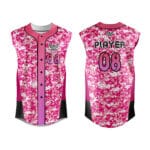
- Sublimation for All-In-One Customization: At USA Teamwear, we use a cutting-edge sublimation process. This is a game-changer for inclusivity. Sublimation infuses the design directly into the fabric, meaning we can create a single, continuous, highly customizable garment. This avoids the limitations of traditional screen printing, which can feel heavy and restrictive on certain fabrics and body types. A sublimated gender-neutral top can feature intricate designs, logos, and player details without compromising on fit, flexibility, or breathability.
Table: Traditional vs. Inclusive Apparel
| Feature | Traditional Uniforms | Inclusive Uniforms (USA Teamwear) |
| Sizing | Gendered (Men’s/Women’s) fits. Limited size range. | Gender-neutral cuts, extended sizes. |
| Features | Standard seams, zippers, and closures. | Adaptive options: easy closures, seamless design. |
| Material | Can be heavy with bulky graphics. | Lightweight, moisture-wicking with infused graphics. |
| Design | Often requires separate designs for different genders. | Unified design for all, with minor adjustments. |
| Impact | May exclude or alienate some players. | Fosters belonging, unity, and a sense of pride. |
5. B2B Value: Why Clubs & Schools Should Prioritize Inclusion
For athletic directors, school boards, and club leaders, the decision to invest in inclusive team apparel is not just an ethical one; it’s a smart business choice.
- Compliance with Non-Discrimination Policies: Many schools and organizations are now bound by strict non-discrimination policies. Providing inclusive uniform options helps to meet these requirements and demonstrates a commitment to creating a safe and welcoming environment for all students.
- A Competitive Edge in Recruitment: In a competitive landscape, inclusive team uniforms can be a powerful recruiting tool. As athletes and their parents research clubs and schools, they look for signs of a progressive and supportive culture. A public commitment to inclusivity can set your organization apart from the competition.
- Simplified Ordering & Inventory: As mentioned earlier, standardizing on a single gender-neutral or adaptive uniform design simplifies the entire procurement process. It reduces inventory management headaches, minimizes the risk of having leftover stock of unpopular cuts, and can lead to bulk-order discounts and more efficient reordering.
6. Marketing & Social Impact: Sharing Your Story
The decision to adopt inclusive apparel is a powerful statement about your organization’s values. When shared effectively, this message can resonate with the community and strengthen your brand.
- Social Media & Brand Image: Teams can use social media to showcase their new inclusive uniforms and share the stories of their athletes. Highlighting a player’s experience with a truly comfortable and affirming uniform can boost your social media engagement and elevate your brand image.
- Positive Community Engagement: Parents, sponsors, and community members increasingly want to support organizations that reflect their values. By demonstrating a commitment to inclusion, you can attract new sponsors and build a strong, positive reputation that extends far beyond the field.
A Simulated Case Study: The “Unified” Lacrosse Club
The “Unified” Lacrosse Club in California, a client of USA Teamwear, recently adopted an entirely gender-neutral uniform policy. The new uniform was a single cut, offered in an extended size range, and featured an updated logo that was both classic and modern. The club used its social media to launch the new kit, featuring testimonials from players about the comfort and sense of belonging the new uniforms created. The campaign resonated deeply, leading to a 20% increase in new sign-ups over the following season and a significant rise in positive media coverage. The club’s director noted that the new uniforms not only improved morale but also helped them attract a more diverse range of athletes than ever before.
7. The Future of Inclusive Apparel
The field of inclusive apparel is evolving at a rapid pace. We expect to see more innovation in the coming years, including:
- Customizable Sizing Tech: Apps that use a phone’s camera to take accurate body measurements and recommend the perfect fit.
- 3D Fitting Tools: Virtual try-on experiences that allow athletes to see what a uniform will look like on their own body before a single stitch is made.
- Eco-Friendly Adaptive Fabrics: More sustainable, bio-based materials that offer the same performance and adaptive features without an environmental cost.
Brands that embrace these trends and continue to innovate in inclusivity will not only win in the marketplace but will also play a critical role in shaping a more equitable and welcoming future for sports.
A Uniform for Every Body
The uniform has always been about identity. But in 2025, that identity is no longer monolithic. It’s about celebrating the rich diversity of every individual who steps onto the field. By adopting inclusive team apparel, organizations are not just buying a uniform; they are making a commitment to their athletes, their values, and their community.
At USA Teamwear, we are dedicated to providing the solutions you need to make this commitment a reality. Our custom sportswear combines the highest standards of quality with the principles of gender-neutral and adaptive design, ensuring that every player feels confident, comfortable, and proud to represent their team.
Ready to future-proof your team’s uniforms? Contact us today to start designing your next inclusive teamwear collection. Because a great uniform doesn’t just make a team look good; it helps every player feel like they belong.
FAQs: Your Guide to Inclusive Team Apparel
Q1: What is the difference between “gender-neutral” and “unisex”?
A1: “Unisex” often refers to a basic, one-size-fits-all garment that is not designed with any specific body shape in mind. “Gender-neutral” is a more thoughtful approach, with a cut that is intentionally designed to flatter a variety of body types, ensuring a comfortable and accommodating fit for everyone.
Q2: Are adaptive uniforms more expensive?
A2: Not necessarily. The cost of an adaptive uniform is often comparable to a standard custom teamwear product. The real value lies in the long-term benefits: reduced player discomfort, increased participation, and the positive brand image your organization will build.
Q3: How do we get started with a design for our team?
A3: It’s simple. Our in-house design team can work with you to create a design that aligns with your vision and incorporates the principles of inclusivity. We’ll provide a free, no-obligation quote and mockups to ensure you are 100% satisfied with the design before we move to production.
Q4: Can we order a mix of different cuts or sizes to accommodate our team?
A4: Yes. We offer a full range of sizes and can provide different cuts to ensure every player has a uniform that fits them perfectly. Our goal is to make the ordering process as simple and as accommodating as possible for you.